I wish I could say this was a dystopian nightmare. But it's not. It's Tuesday morning, and I'm looking at my Instagram feed where Shay Mitchell has just launched Rini—a skincare brand aimed at children as young as three. Hydrogel masks. After-sun repair. Vitamin serums for preschoolers. All marketed under the guise of "confidence," "creativity," and "self-care."
As a medical scientist who's spent 20 years working with cells at the molecular level, and as a mother, I'm not just concerned. I'm furious.
Because here's what the beauty industry won't tell you: children don't need skincare routines. They need adults who protect them from beauty marketing that tells them their skin needs "fixing."
The Science They're Ignoring: Children's Skin Is Still Developing
Let me share something crucial that every parent should know. Research published in Experimental Dermatologydemonstrates that children's skin barrier continues to mature until approximately 4-6 years of age, finally reaching adult-level functionality around age six.[1][2] During the first decade of life, children's skin exhibits:
- Higher transepidermal water loss (TEWL), indicating a more permeable skin barrier[2]
- Thinner stratum corneum (the outermost protective layer)[3]
- Different lipid composition and natural moisturizing factor levels[1]
- Higher cell turnover rates[2]
This isn't a flaw. It's development. It's their skin learning, adapting, and building resilience in the terrestrial environment they were born into.
When we slather complex skincare products onto developing skin, we're not "caring" for it—we're interfering with natural barrier maturation processes that have evolved over millennia.
The NHS Is Drowning in Preventable Cases
Whilst big beauty corporations count their profits, our NHS is buckling under the weight of pediatric dermatology referrals. Around one in five children in the UK has eczema or atopic dermatitis,[4] and research shows that only 4% of children aged 1-5 with atopic dermatitis are referred to dermatologists—because the system simply cannot cope.[5]
A 2023 study of NHS patients with moderate-to-severe atopic dermatitis found that children had an average of 5.3 consultations per patient per year, with most patients having tried a mean of 7.9 different treatments.[6] The researchers noted that "current treatments may provide suboptimal control" for most cases.
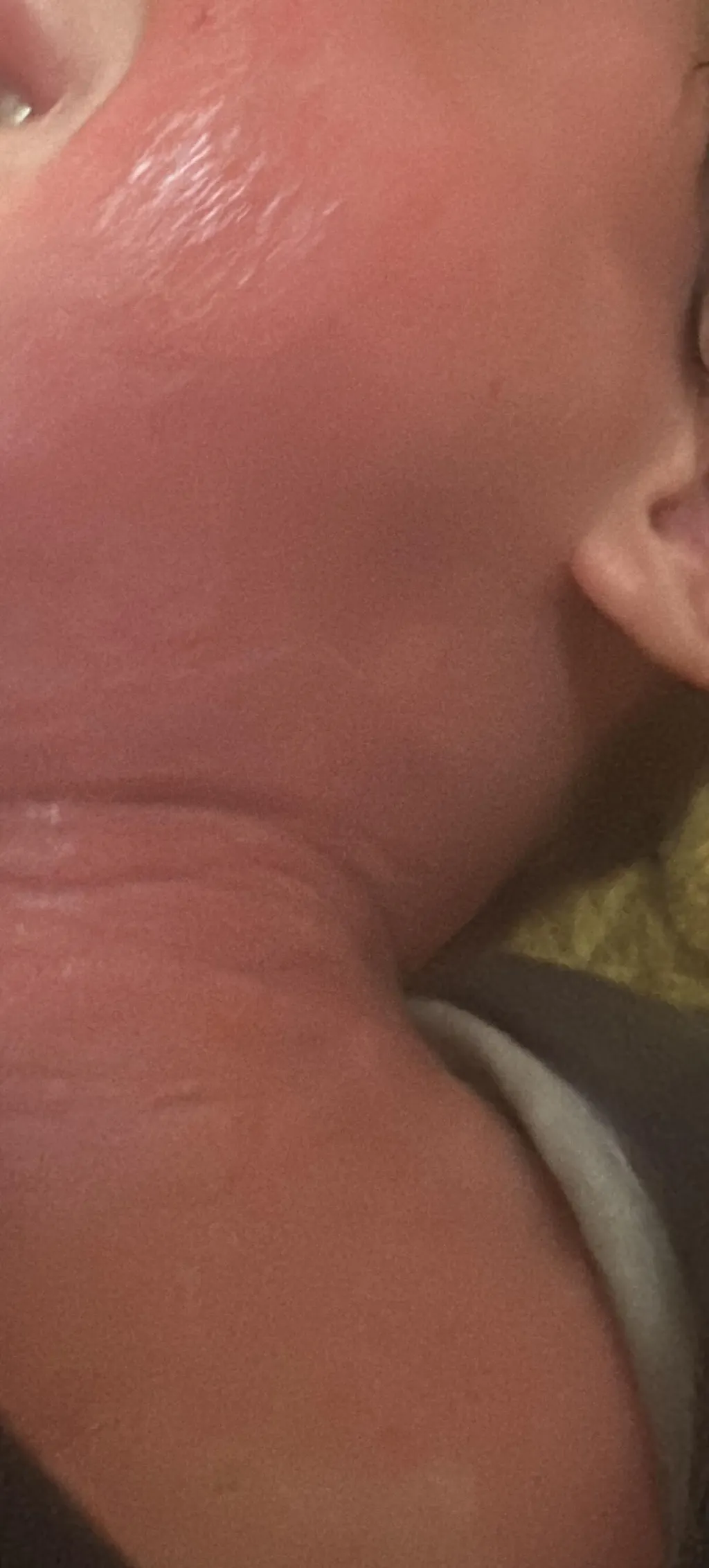
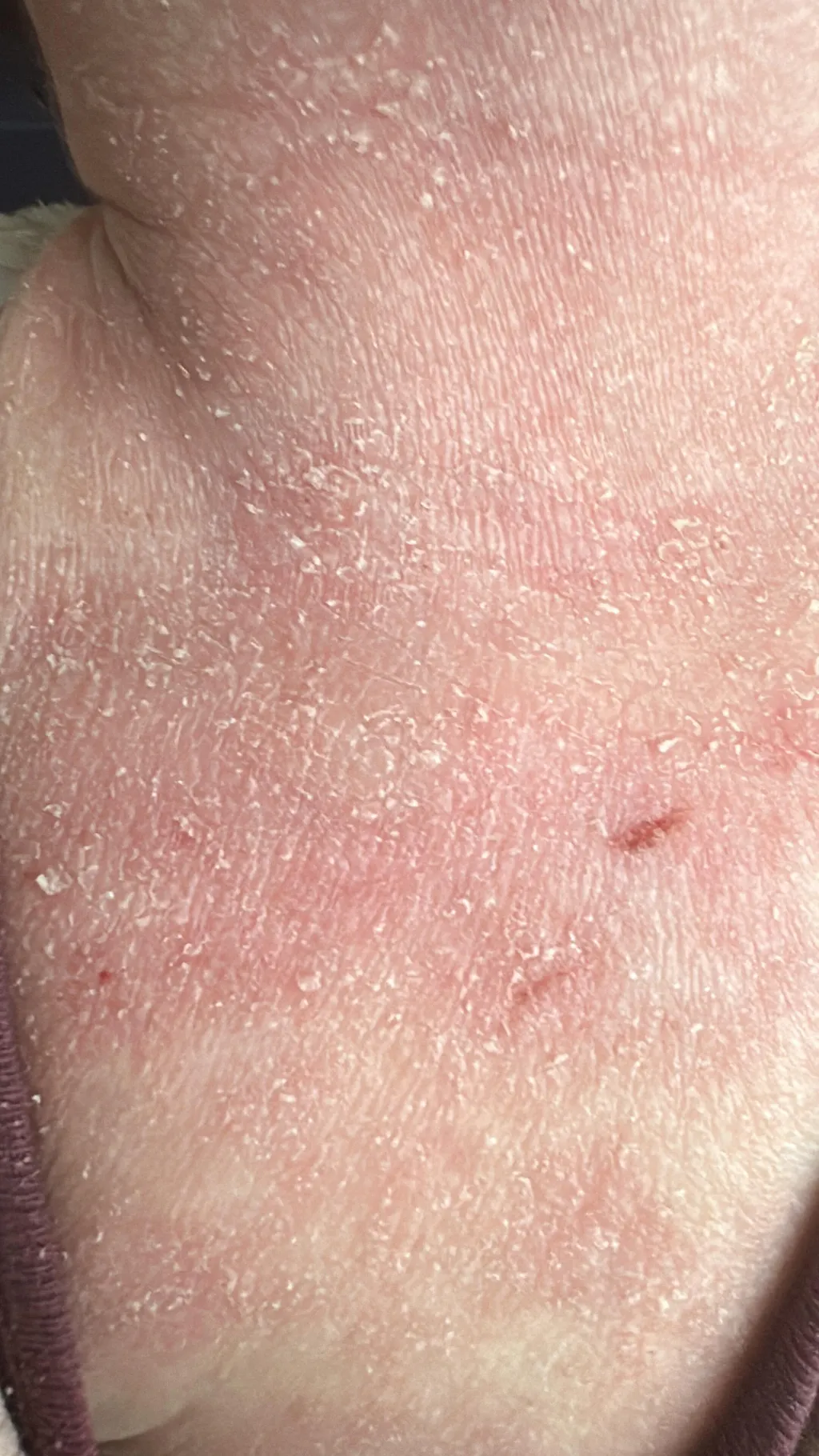
But here's what's particularly alarming: contact dermatitis from cosmetics and personal care products is now recognized as one of the main causes of allergic contact dermatitis in early infancy.[7] Preservatives like parabens and methylisothiazolinone, fragrances, and even "natural" ingredients like tea tree oil can cause sensitization—especially when applied to young, developing skin.[7][8]
We're creating a generation of children whose skin barriers are being compromised before they've even had the chance to mature properly.
This Isn't Skincare. It's Social Conditioning.
Let's call this what it really is: the beauty industry has saturated the teen and tween market, and now it's creeping into childhood itself, normalizing beauty consumerism before kids even start school.
As one dermatologist brilliantly put it on the post I saw: "Children don't need skincare routines. They need messy play, and adults who protect them from beauty marketing."
But those that do have genuine skin problems—compromised barriers, true dermatitis, chronic eczema? They need to be seen by a doctor, not sold a £25 vitamin serum by a celebrity.
The Evidence They Don't Want You to Know
Children with atopic dermatitis already have an increased risk of developing irritant contact dermatitis,[9] and research shows that young children with eczema who were patch-tested had significantly more positive reactions to ingredients in personal care products.[10]
Children's skin is fundamentally more vulnerable than adult skin because:
- The infant stratum corneum is much thinner than an adult's[11]
- Absorption of substances applied to skin is greater in children due to thinner skin, higher ratio of skin surface area to body weight, and increased absorptive surface[11]
- The formation of other epidermal layers remains incomplete during early childhood[7]
Study after study confirms: adding unnecessary products to immature skin increases the risk of sensitization, irritation, and long-term barrier dysfunction.
What Children's Skin Actually Needs
After two decades as an NHS scientist and years of formulating botanical skincare for genuine skin conditions, here's what I tell parents:
For healthy children under 10, skincare should be absurdly simple:
- Gentle cleansing with water (and mild soap only when needed)
- A basic, fragrance-free moisturizer if skin appears dry
- Mineral-based SPF when outdoors (titanium dioxide or zinc oxide)
- Nothing else
That's it. No serums. No masks. No "routines." No products promising to boost their "confidence" through consumption.
Feed Their Skin From the Inside
Want to genuinely support your child's skin health? Focus on what they're eating, not what you're applying.
Research consistently shows that nutrition plays a fundamental role in skin development and health throughout childhood.[12][13] A diet rich in:
- Omega-3 fatty acids (from fatty fish, flaxseeds, walnuts) supports skin barrier function and reduces inflammation[13]
- Vitamins A, C, and E from colourful fruits and vegetables promote healthy skin development[13]
- Adequate protein supports skin cell repair and regeneration[13]
- Plenty of water maintains hydration and supports barrier function[14]
Good general health is good skin health. It's not glamorous. It won't make you a fortune. But it's the truth.
The Bottom Line
The beauty industry has already captured teenagers and tweens. Now it's creeping into childhood, normalizing beauty consumerism before kids even develop the cognitive capacity to resist marketing messages.
This isn't skincare. It's social conditioning. And if we don't push back now, we're going to end up with a population of young adults who've spent their entire lives being told their skin—their bodies—need "fixing."
Meanwhile, our NHS struggles under the weight of preventable contact dermatitis cases, while children who genuinely need medical intervention wait months for appointments.
We need to do better. Not just as scientists, doctors, and formulators—but as parents, caregivers, and adults who understand that childhood is precious, brief, and shouldn't be monetized by corporations more interested in profit margins than children's wellbeing.
Let kids be kids. Let their skin develop naturally. And for heaven's sake, stop selling serums to four-year-olds.
References:
[1] Stamatas, G. N., et al. (2023). Skin maturation from birth to 10 years of age: Structure, function, composition and microbiome. Experimental Dermatology, 32(6). https://onlinelibrary.wiley.com/doi/10.1111/exd.14843
[2] Stamatas, G. N., et al. (2016). Developmental changes in skin barrier and structure during the first 5 years of life. Skin Pharmacology and Physiology. https://www.karger.com/Article/Fulltext/444805
[3] Stamatas, G. N., et al. (2017). Change in skin properties over the first 10 years of life: a cross-sectional study. Archives of Dermatological Research. https://link.springer.com/article/10.1007/s00403-017-1764-x
[4] NIHR Evidence (2024). Eczema in children: uncertainties addressed. https://evidence.nihr.ac.uk/collection/eczema-in-children-uncertainties-addressed/
[5] Cork, M. J., et al. (2020). Atopic dermatitis epidemiology and unmet need in the United Kingdom. Journal of Dermatological Treatment. https://pmc.ncbi.nlm.nih.gov/articles/PMC7573657/
[6] McPherson, T., et al. (2023). A real-world retrospective observational study exploring NHS resource use in England. Pediatric Dermatology, 40(1), 50-63. https://pubmed.ncbi.nlm.nih.gov/36127813/
[7] Belloni Fortina, A., et al. (2010). Contact dermatitis in children. Italian Journal of Pediatrics. https://pmc.ncbi.nlm.nih.gov/articles/PMC2828457/
[8] London Dermatology Centre (2025). Paediatric Contact Dermatitis: Latest Research & Approaches. https://www.london-dermatology-centre.co.uk/blog/paediatric-contact-dermatitis/
[9] ScratchSleeves (2024). All About Infant Contact Dermatitis. https://scratchsleeves.co.uk/scratchsleeves-blog/all-about-infant-contact-dermatitis/
[10] Medscape (2024). Pediatric Contact Dermatitis. https://emedicine.medscape.com/article/911711-overview
[11] WaterWipes UK (2025). Baby contact dermatitis: symptoms, causes & treatment. https://www.waterwipes.com/uk/en/skincarehub/baby-contact-dermatitis-symptoms-causes-treatment-waterwipes-uk
[12] Sharma, A., et al. (2024). Dietary Influences on Skin Health in Common Dermatological Disorders. Cureus. https://pmc.ncbi.nlm.nih.gov/articles/PMC10982215/
[13] Tuco Kids (2024). The Connection Between Diet and Kids' Skin Health. https://tucokids.com/blogs/health/the-connection-between-diet-and-kids-skin-health-foods-to-avoid-and-embrace
[14] Cao, C., et al. (2020). Diet and Skin Aging—From the Perspective of Food Nutrition. Nutrients. https://pmc.ncbi.nlm.nih.gov/articles/PMC7146365/